Armengol Ukraine the exclusive representative of Armengol Hermanos S.A. (Spain)

Natural ingredients and innovative carob-based solutions for the food industry and livestock farming.

  • Plant operating since 1947
  • Tarragona, Spain
  • Exclusive distribution agreement
  • GMP+ certified (SGS)
GMP+ Feed Safety Assurance markSGS System Certification Feed markCertified production
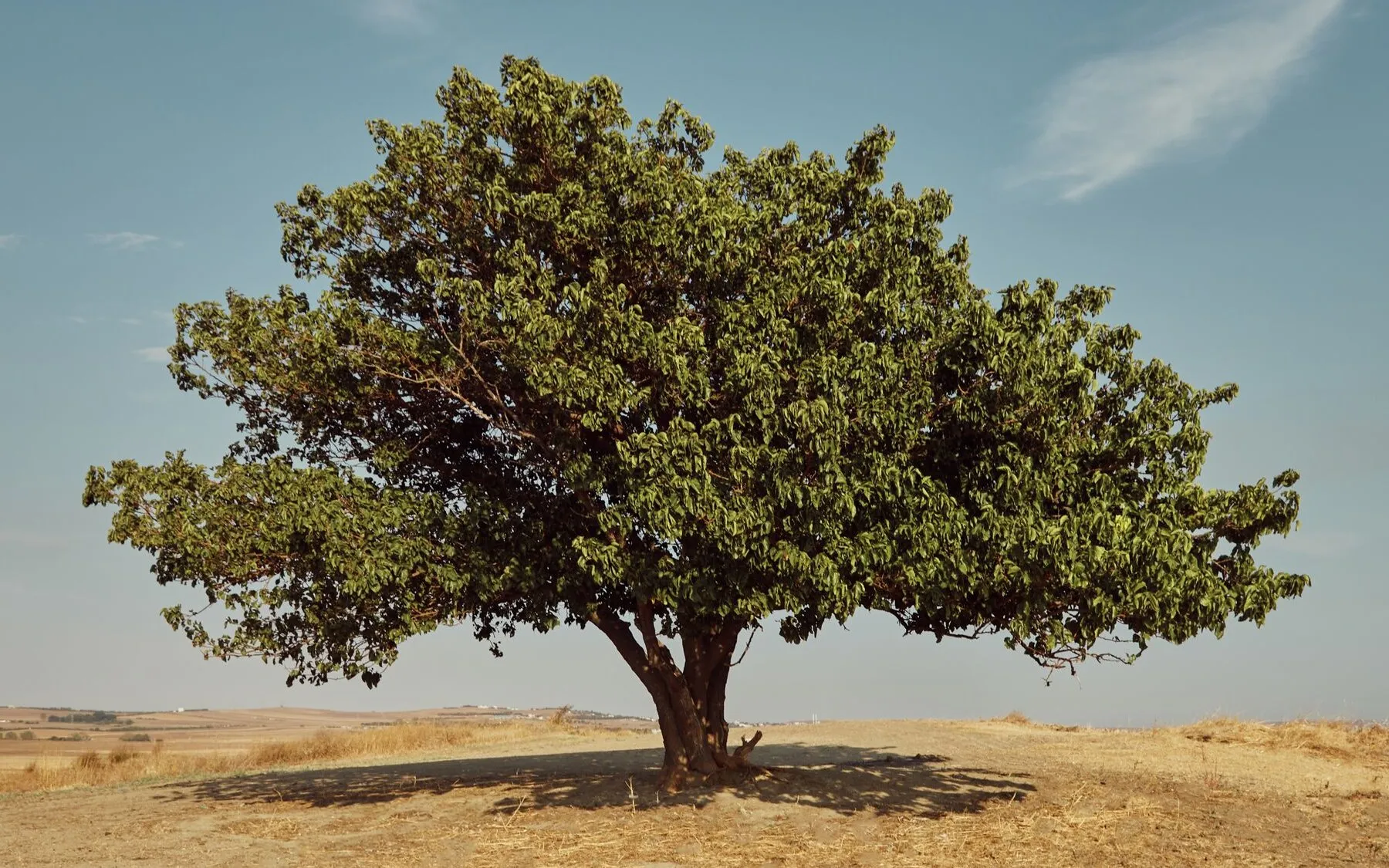
A large carob tree with a dense crown in a dry field under a blue sky

Products

Animal feed

SANIGUT and SANIGUT PLUS

A natural feed material (ground carob seed flour). Rich in mannose polysaccharides (galactomannans). A natural prebiotic and bacteriostatic agent. SANIGUT PLUS has a higher mannan content.

Composition, %

SANIGUTSANIGUT PLUS
Mannans24–2734–38
Crude protein14–167–9

Food industry

Locust bean gum E410

A natural plant hydrocolloid (polysaccharide) obtained exclusively from the endosperm of carob seeds processed by Armengol Hermanos S.A. A premium stabiliser, thickener and emulsifier.

Technical advantages

Stability
In acidic media and through freeze-thaw cycles
Synergy
With carrageenan, xanthan and other hydrocolloids
Taste
Improves the taste of meat products

SANIGUT benefits

  • 100% natural

    Micronised carob seed, GMO-free. A plant-based antibiotic for clean, residue-free food.

    24–27%
    mannans in SANIGUT, 34–38% in PLUS
  • Bacteriostatic effect

    Antibacterial and immunostimulating action. Strengthens gut immunity, reduces diarrhoea and young-animal mortality.

    Rabbit mortality, days 35–56
    SANIGUT
    3.6%
    Control
    6.2%

    COPRI, 2010

  • Economic benefit (better FCR)

    Better feed digestibility. Higher animal and bird weight, laying rate and egg weight.

    Laying rate after 5 weeks
    SANIGUT
    90–94%
    Without SANIGUT
    74.7%

    Granja Ono, 2013

  • Safe export to the EU

    No antibiotics, no veterinary prescription, no withdrawal period. Made in Spain, GMP+ certified (SGS).

    0 days
    withdrawal period before slaughter
    Antibiotics
    none
    Veterinary prescription
    not needed

Research

All research
  • Salmonella and E. coli in vitro

    Agglutination exceeded 50% of the pure-mannose level across three Salmonella strains and two E. coli strains.

    IRTA, Universitat Autònoma de Barcelona, 2009

    Read the full study
  • Weaned piglets challenged with E. coli K88

    72 piglets, 5 kg/t of feed: less E. coli K88 in the gut. Inflammation marker Pig-MAP on day 4 was 0.74 mg/dL against 1.20 in the control (0.70 with zinc oxide).

    Universitat Autònoma de Barcelona, 2013

    Read the full study
  • Growing rabbits without antibiotics

    1,098 rabbits from weaning to slaughter. Mortality from day 35 to 56 was 3.6% against 6.2% in the control, slaughter yield 56.6% against 55.7%.

    COPRI (France), 2010

    Read the full study
  • Laying hens, Granja Ono farm

    Five weeks of records. With SANIGUT the laying rate stayed at 90–94%; without it, it fell from 91.3% to 74.7%. Dirty eggs in May were 1.6–4.2% against 2.1–5.1% without SANIGUT.

    Granja Ono (Brazil), 2013

    Read the full study

What SANIGUT and E410 are made from

The carob tree (Ceratonia siliqua) grows around the Mediterranean. Spain accounts for about 45% of the world’s carob processing.

SANIGUT and E410 use only the seed, which makes up about 10% of the pod by weight.

Seed in the pod
≈10% by weight
Endosperm in the seed
42-46% by weight
SANIGUT, SANIGUT PLUS
micronised seed
Locust bean gum E410
seed endosperm

Shares by weight, data from Armengol Hermanos S.A.

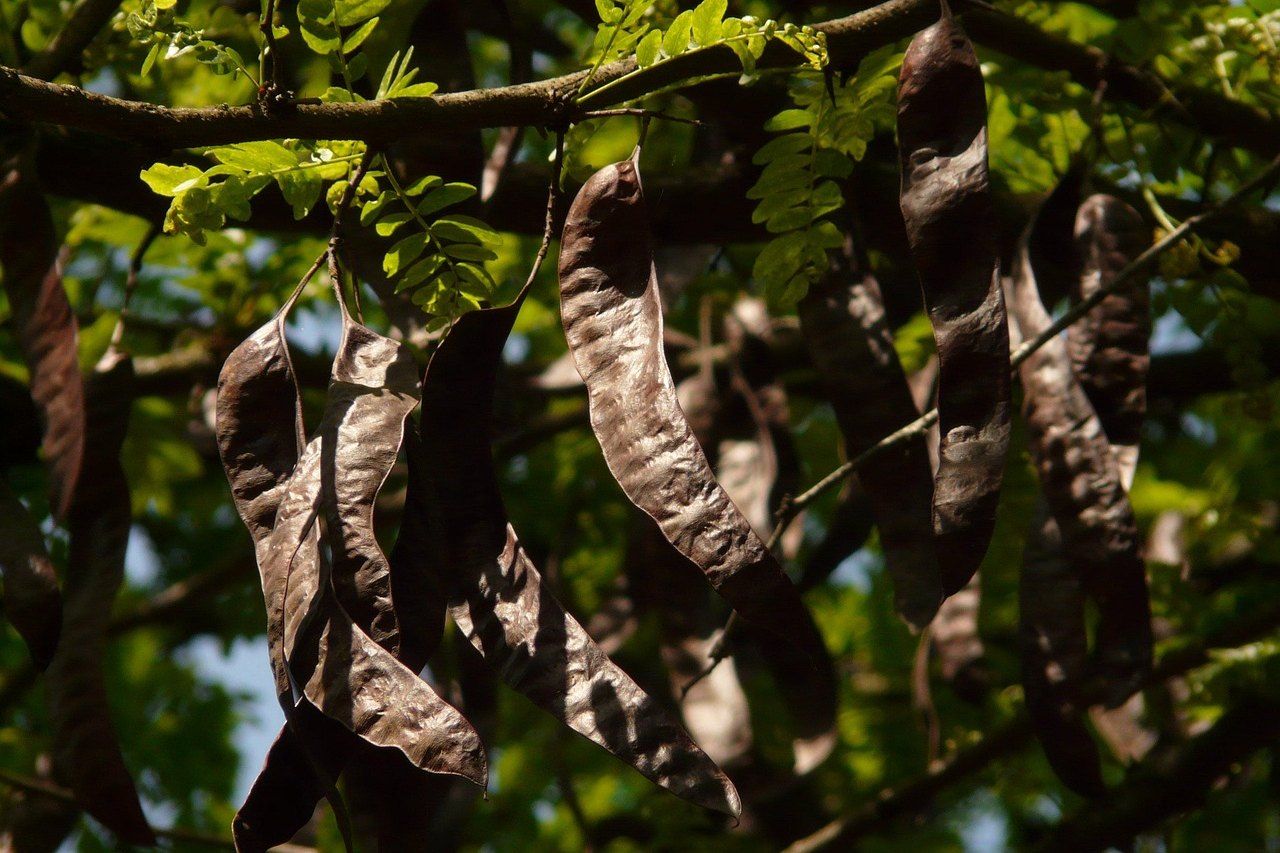
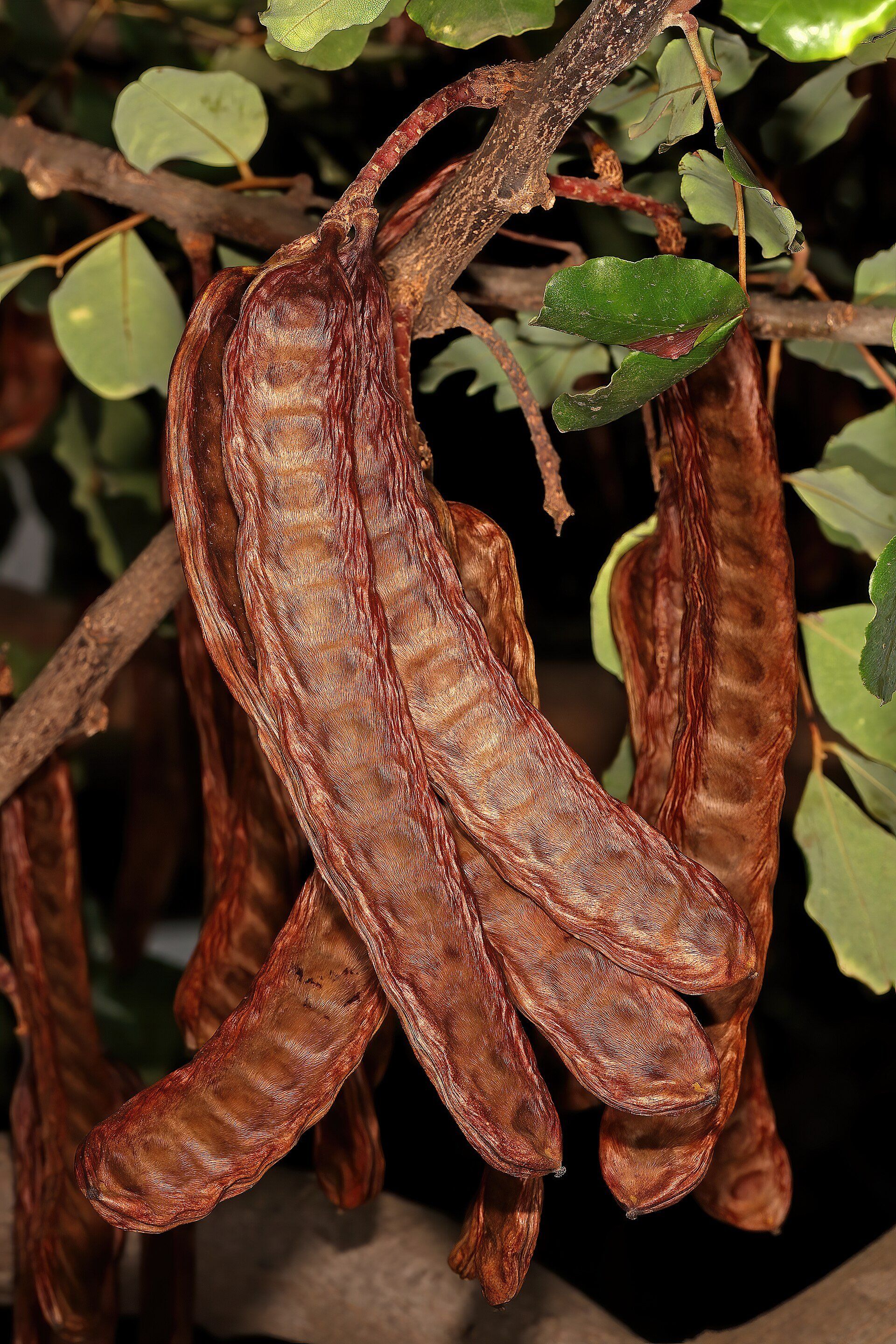
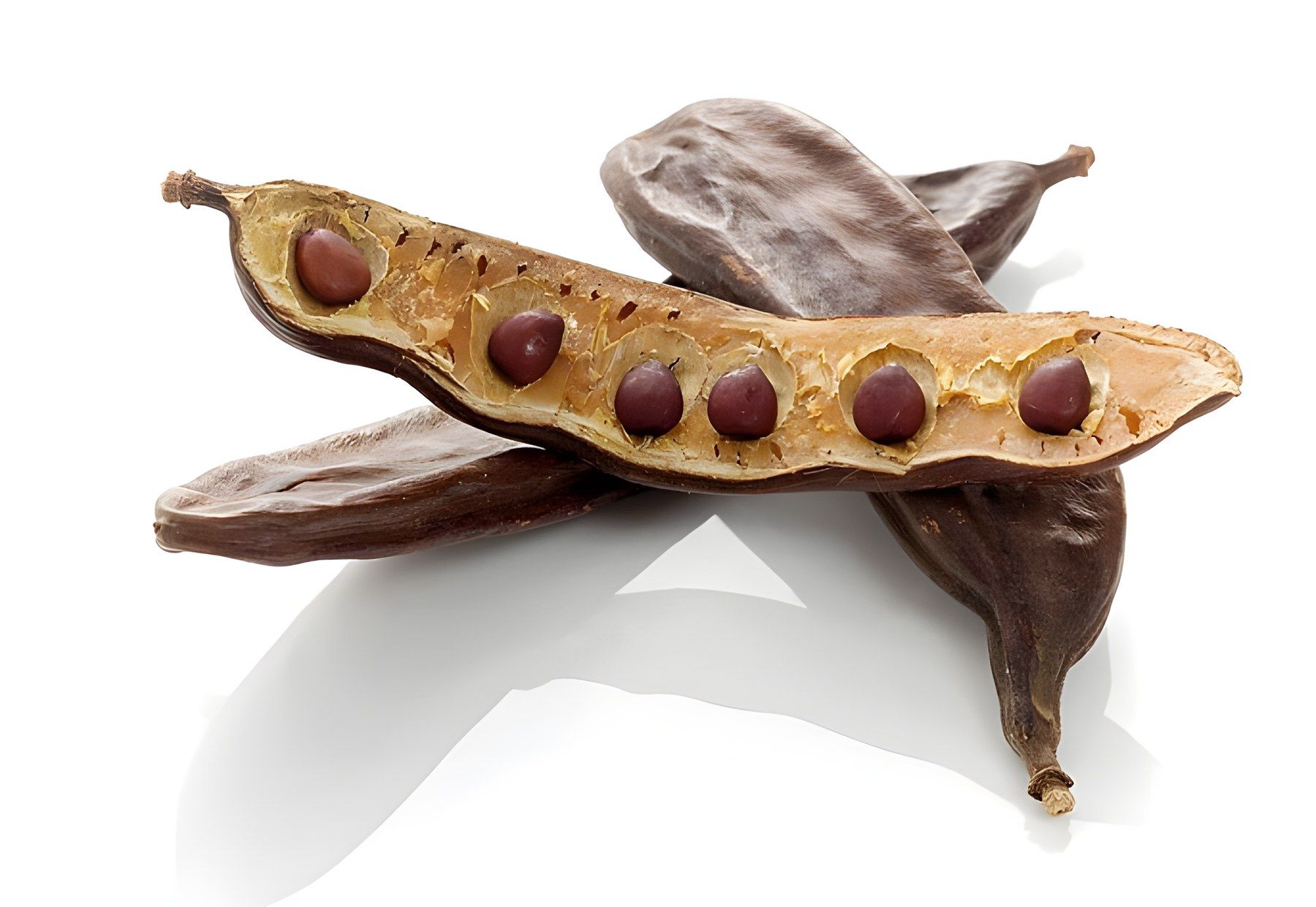
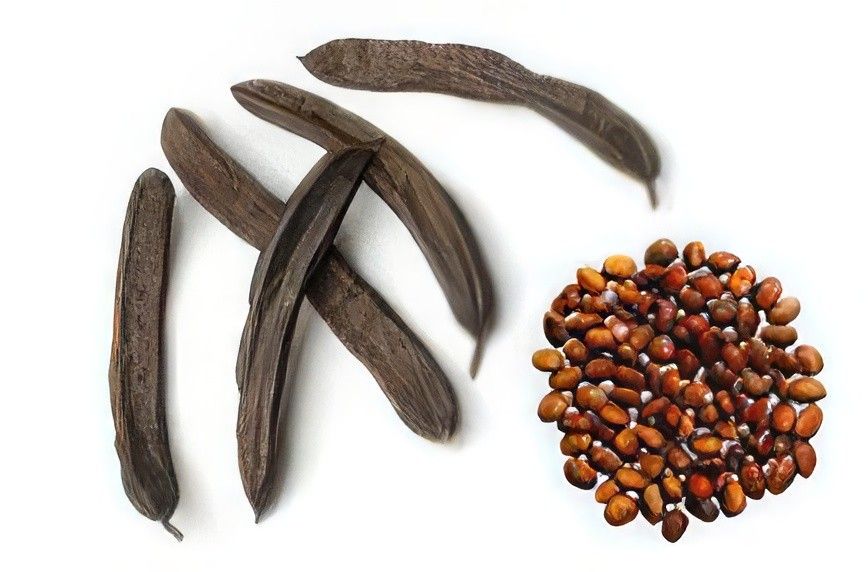
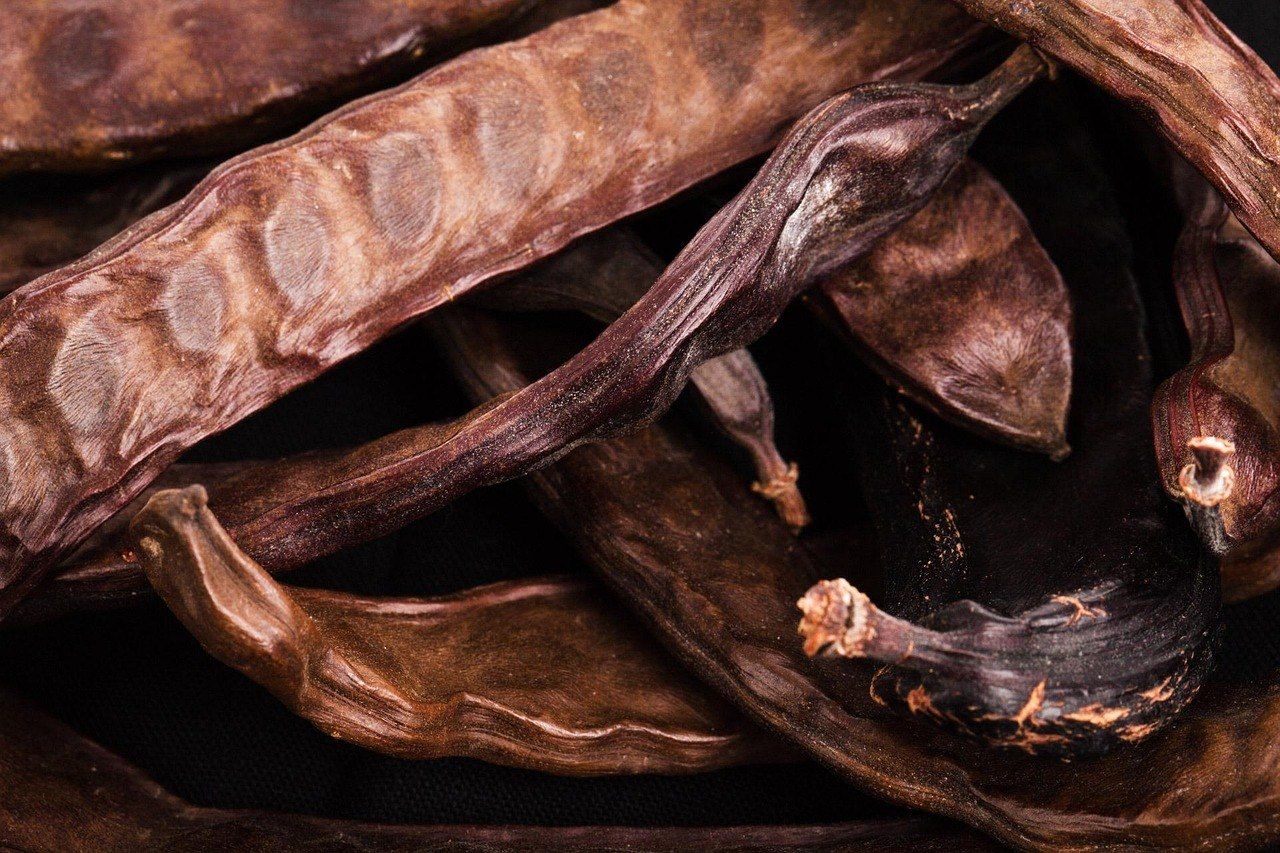
Ripe carob pods on a branch, the seeds showing through the skinAn open carob pod with its seedsDried carob pods and a pile of seeds

About the company

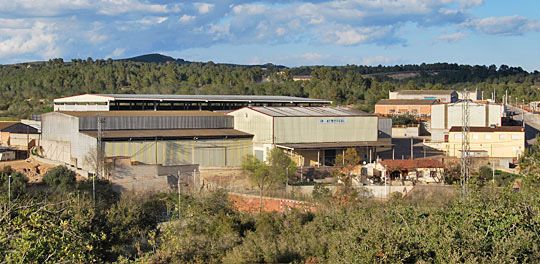
Production buildings of the Armengol Hermanos plant among the hills of Tarragona
The Armengol Hermanos plant, province of Tarragona

About the manufacturer

Since 1947 the Armengol Hermanos S.A. plant in Spain has specialised exclusively in the deep processing of carob pods and seeds, at its own facilities in the province of Tarragona.

Send us an enquiry

Tell us the product, the species or type of production, and the approximate volume.