SANIGUT applications
Effects of SANIGUT and SANIGUT PLUS by livestock and poultry species, with inclusion rates and research data.
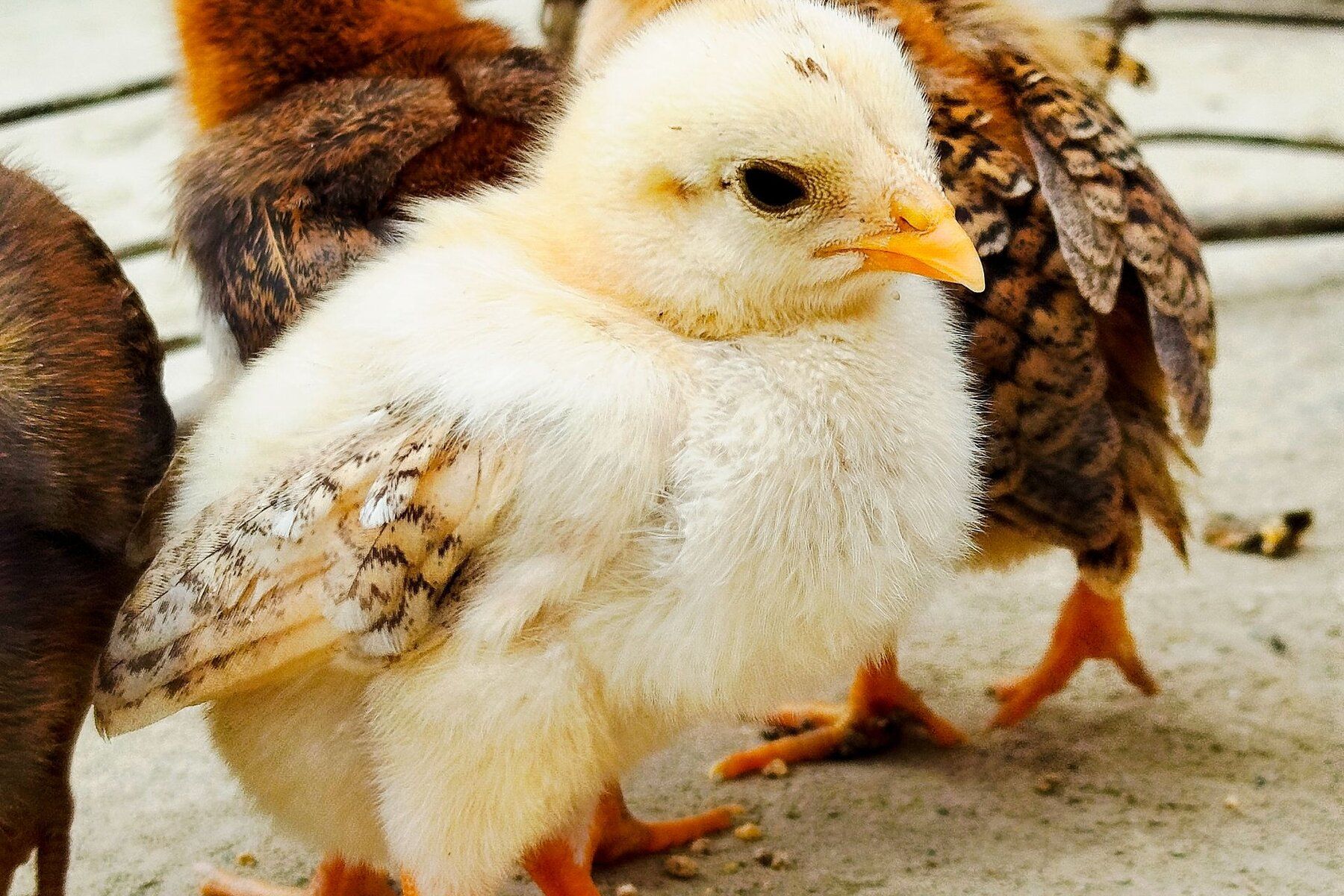
Broilers
Effects
- Protects the gut against Salmonella, E. coli and Clostridium. Lower mortality and better feed conversion (FCR).
- Mechanical blocking of Salmonella and E. coli (UAB study). Unlike yeast products (MOS) with a short molecular chain, SANIGUT consists of long-chain mannan polysaccharides (galactomannans) with an optimal mannose to galactose ratio of 4:1. In vitro, the agglutination capacity of SANIGUT against pathogenic Salmonella and E. coli strains exceeds 50%. The product forms a viscous protective layer that blocks bacterial fimbriae, prevents adhesion to the gut wall and carries the bacteria out of the body.
- Gut immunity. A natural immunostimulant and bacteriostatic agent. SANIGUT contains no β-glucans, so the broiler’s immune system carries no extra load and the bird’s energy goes into intensive growth.
- Emulsifying effect. Improves digestibility and allows more fats and oils in the diet without weakening the pellets or oil seeping through paper bags. Crude protein (14–16%) and amino acids support muscle development.
- Flock uniformity and carcass yield. The prebiotic effect evens out chick development from the first days, so the flock is uniform at slaughter with fewer rejects on the deboning lines. Feed and meat taste and aroma improve.
- Dry litter and clean feet. The anti-diarrhoeal action of tannins stabilises the digestive tract and droppings are dry. Litter quality improves, footpad lesions disappear and ammonia in the house drops.
| SANIGUT | SANIGUT PLUS | |
|---|---|---|
| Poultry | 0.1-0.2 | 0.1-0.2 |
Results on the farm
- FCR lower by 0.04 points on average thanks to better protein digestibility.
- Bird and chick mortality lower by 1–2%.
- Natural disease prevention replaces preventive antibacterial water medication.
Product safety
- An alternative to antibiotics for safe meat exports to the EU, where antibiotic growth promoters (AGPs) are banned.
- SANIGUT is a pure plant material: no veterinary prescription, no limit on duration of use and no drug residues in meat.
- Heat-stable, withstands feed pelleting up to 90 °C. Added through micro-dosing units or a premix.
Research
Salmonella and E. coli in vitro
Agglutination exceeded 50% of the pure-mannose level across three Salmonella strains and two E. coli strains.
IRTA, Universitat Autònoma de Barcelona, 2009
Read the full study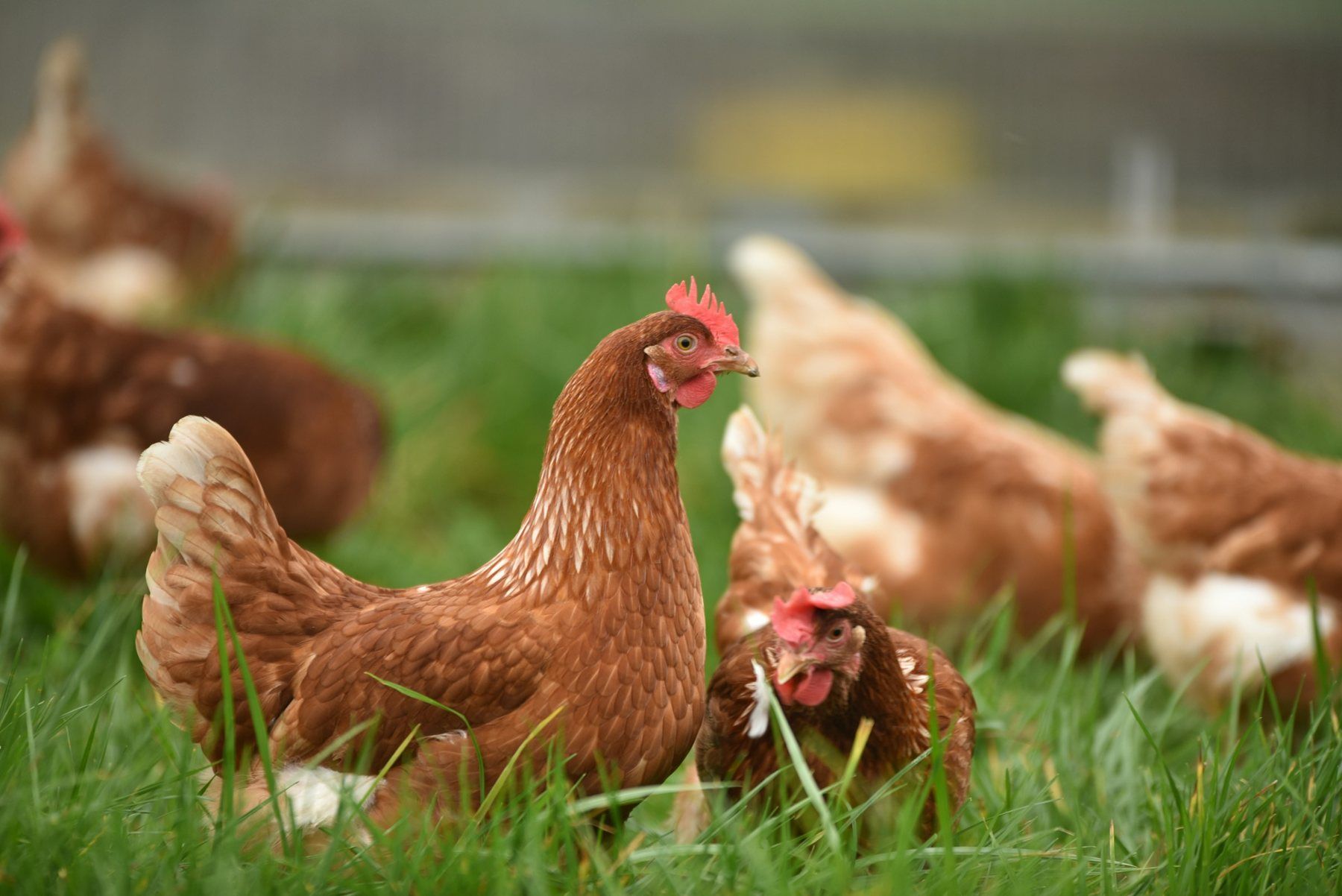
Laying hens
Effects
- Better calcium and phosphorus absorption. A higher laying peak and denser shells (fewer broken and cracked eggs).
- Lower mortality. SANIGUT acts as a natural immunostimulant and bacteriostatic agent. It protects the gut from enteritis and toxins, reduces losses and mortality, and helps avoid early culling of hens.
- An organic source of calcium. 100 g of product contains 352 mg of readily absorbed calcium, plus potassium (1100 mg), iron (104 mg) and magnesium (42 mg). Hens, especially after week 45, get material for dense shells and shell strength rises.
- Stable laying rate (Granja Ono study). SANIGUT prevents age- and stress-related drops in production and keeps the laying rate above 92%. Vitamin E supports the hen’s reproductive health.
- Egg weight and quality. Instrumental testing with a DET 6000: egg weight 65.4–67.0 g, albumen height 6.9–7.4 mm, Haugh units 80.6–83.8.
- Fewer dirty eggs. The bacteriostatic action and tannins stop chronic diarrhoea, droppings are dry and gut immunity is strong. Fewer dirty eggs, lower washing and grading costs.
- No extra immune load. SANIGUT contains no β-glucans, so the hen’s energy goes into egg formation.
| SANIGUT | SANIGUT PLUS | |
|---|---|---|
| Poultry | 0.1-0.2 | 0.1-0.2 |
Results on the farm
- Overall bird mortality lower by 1–2%.
- Broken, cracked and shell-less eggs on grading lines down by 1.0–1.5% on average.
- Natural disease prevention instead of preventive antibiotic and acidifier medication against salmonellosis.
Product safety
- More than 3.5% natural tannins clear the hens’ small intestine of various Salmonella types (Pasteur Institute data). This removes risks at laboratory control of eggs, liquid egg and egg powder for export to the EU.
- No antibiotics, no veterinary prescription, no limit on duration of use and no withdrawal period.
Research
Laying hens, Granja Ono farm
Five weeks of records. With SANIGUT the laying rate stayed at 90–94%; without it, it fell from 91.3% to 74.7%. Dirty eggs in May were 1.6–4.2% against 2.1–5.1% without SANIGUT.
Granja Ono (Brazil), 2013
Read the full study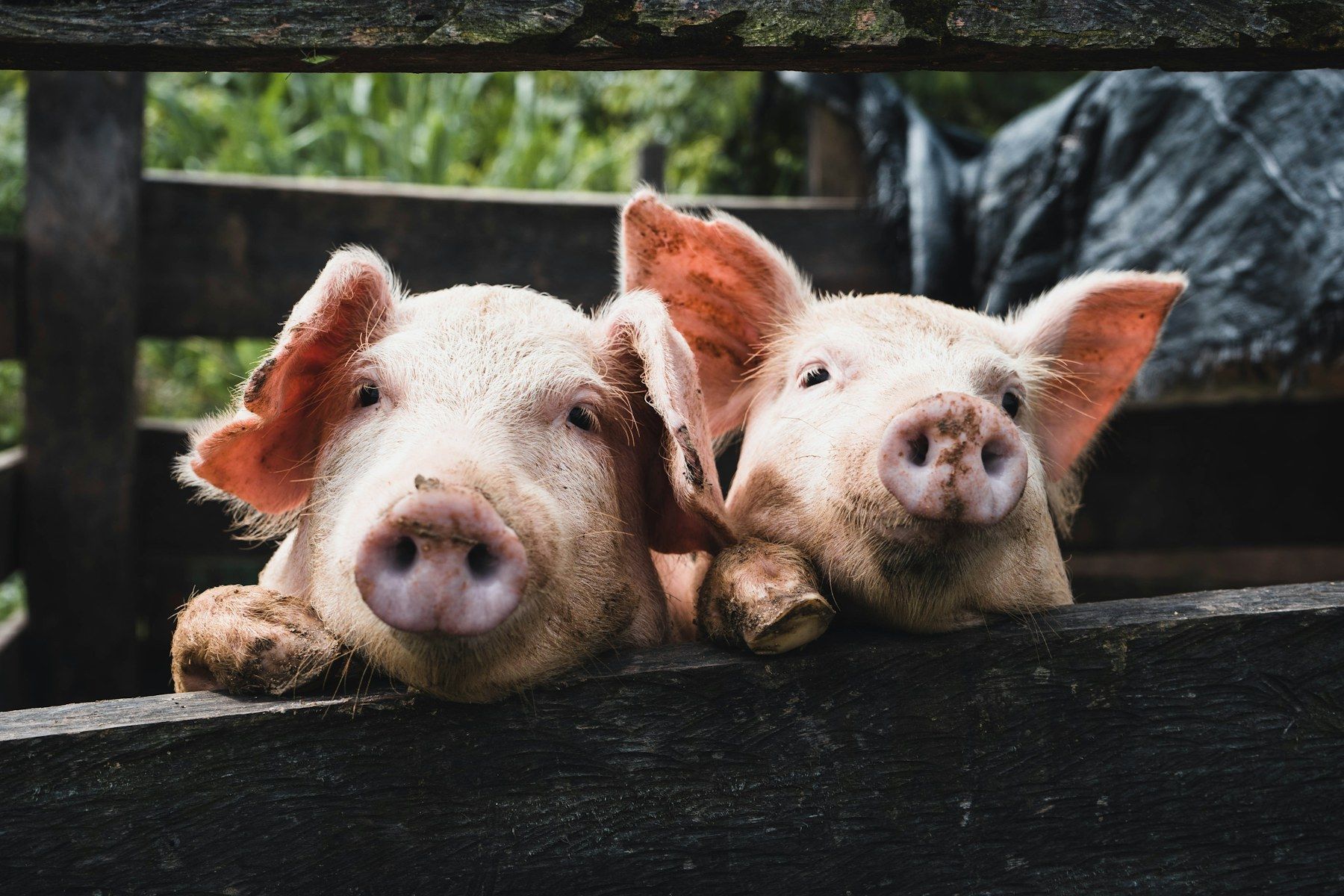
Pigs
Weaned piglets in particular
Effects
- A natural astringent. Stops bacteria attaching to the stomach wall. Diarrhoea prevention without zinc oxide or antibiotics.
- Blocking microbial adhesion (UAB study, Spain). SANIGUT galactomannans (mannose to galactose 4:1) block the adhesins on bacterial fimbriae so they cannot attach to the gut wall. In piglets infected with E. coli K88, enterobacteria on the ileal mucosa fell from 6.3 log to 4.2 log.
- Less diarrhoea. Significantly fewer post-weaning diarrhoea cases than in the control (P = 0.02). Faecal E. coli shedding falls from 10.4 log to 8.7 log (P = 0.03), which stops reinfection in the pens.
- Less inflammation. Blood Pig-MAP on day 4 after infection 0.74 mg/dl against 1.20 mg/dl in the control (P = 0.03).
- A healthy gut and immunity. Lactic acid and short-chain fatty acids rise, butyrate in particular, which feeds gut cells. Protective goblet cells 8.9 against 6.8 per 100 enterocytes (P = 0.04).
- No β-glucans. The piglet’s immune system carries no extra load and energy goes into growth (ADG).
| SANIGUT | SANIGUT PLUS | |
|---|---|---|
| Pigs | 0.1-0.2 | 0.05-0.15 |
| Piglets | 0.1-0.3 | 0.1-0.2 |
Results on the farm
- Mortality in prestarter and starter down by 2–4%, including from colibacillosis and oedema disease.
- Better FCR thanks to the emulsifying effect and better fat and protein uptake. Piglets reach slaughter weight sooner.
- Natural disease prevention instead of preventive colistin and amoxicillin programmes.
Product safety
- An alternative to zinc oxide. High ZnO doses (3000 mg/kg) are banned in the EU. SANIGUT gives a comparable effect without toxicity and without diarrhoea returning after withdrawal.
- No veterinary prescription and no withdrawal period before slaughter.
Research
Weaned piglets challenged with E. coli K88
72 piglets, 5 kg/t of feed: less E. coli K88 in the gut. Inflammation marker Pig-MAP on day 4 was 0.74 mg/dL against 1.20 in the control (0.70 with zinc oxide).
Universitat Autònoma de Barcelona, 2013
Read the full study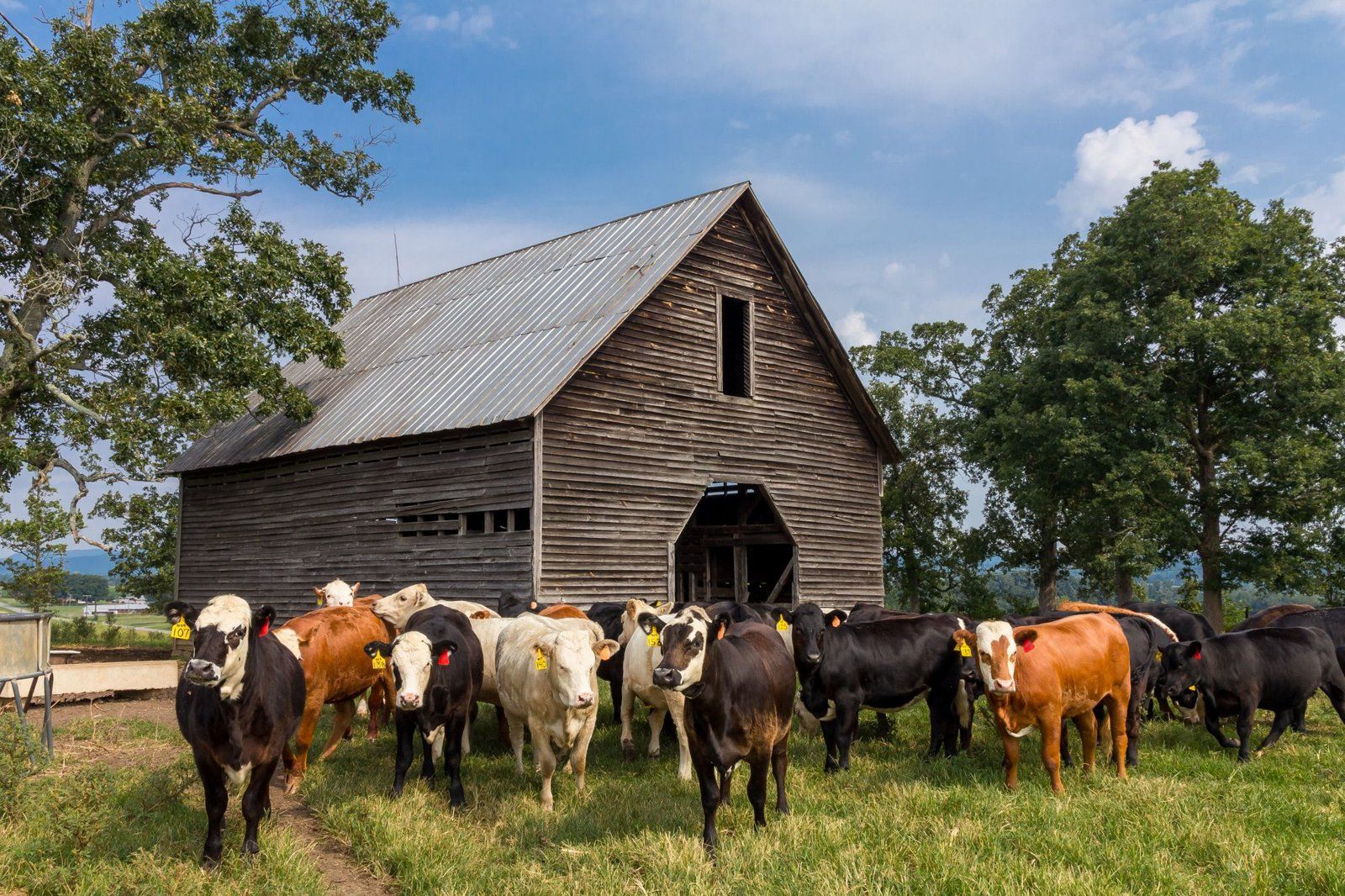
Cattle
Effects
- Supports beneficial rumen microflora. Protects calves from diarrhoea in the first weeks of life. Raises milk fat and protein in dairy cows.
- Calves on milk (milk replacers, prestarters). The first 60 days of a calf’s life are the most critical. SANIGUT galactomannans block the fimbriae of Salmonella and E. coli, stop them attaching to the gut wall and carry them out of the body. Diarrhoea cases drop several-fold (P = 0.02).
- Rumen development. Tannins form a protective layer on the gut mucosa and ease inflammation. Plant fibre and sugars encourage early roughage intake, the rumen develops properly and daily gains rise.
- Strong immunity. Calf immunity stays consistently high throughout rearing and the animals are healthier.
- Rumen stability in adult cattle. SANIGUT is a substrate for beneficial microflora: short-chain fatty acids rise, butyrate in particular, rumen pH stabilises and the risk of subacute acidosis (SARA) falls.
- Emulsifying effect. Allows more oils and fats in the total mixed ration (TMR). Sorptive properties protect feed from mould and mycotoxins.
- No β-glucans. The cow’s energy goes into milk production.
| SANIGUT | SANIGUT PLUS | |
|---|---|---|
| Calves | 0.2-0.3 | 0.15-0.25 |
Added to milk replacers, prestarters, premixes or through a TMR mixer.
Results on the farm
- Calf mortality during milk feeding lower by 2–4%.
- Calves raised with SANIGUT later give 10–15% more milk per lactation.
- Lower spending on treating digestive disorders with antibiotics and electrolytes.
Product safety
- No antibiotics, no veterinary prescription, no withdrawal period before slaughter or milk delivery. Milk is not rejected for drug residues.
- GMP+ certification (SGS) guarantees traceable raw material and a consistent composition in every batch.
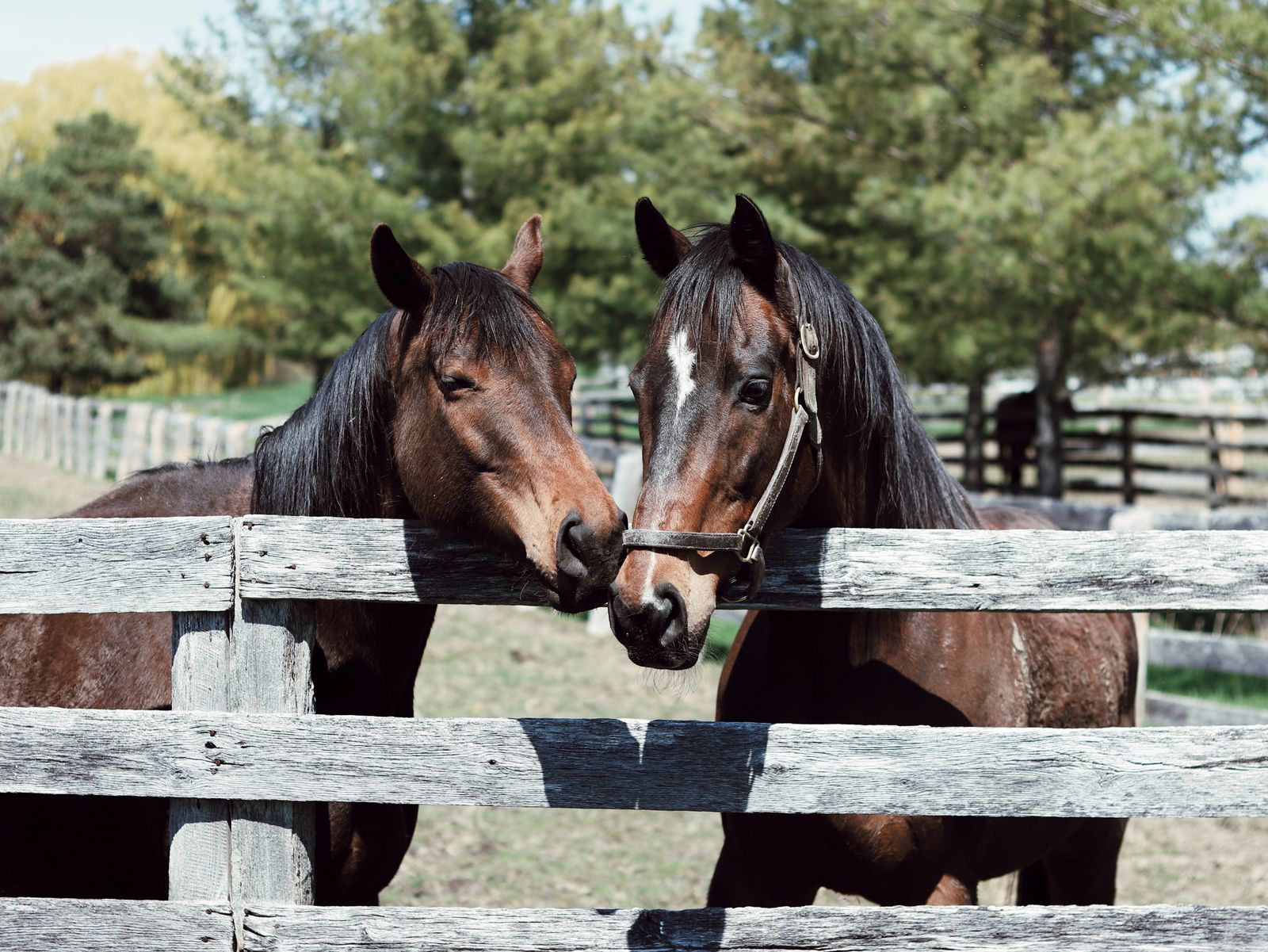
Horses
Effects
- Regulates a sensitive digestive tract and absorbs mycotoxins. Lower colic risk and better stamina.
- Colic prevention. SANIGUT stimulates cellulolytic bacteria that break down hay and grass fibre, and butyrate formation. The gut works steadily, with less gas, fewer spasms and less putrefaction.
- Mycotoxin binding. Galactomannans have natural sorptive properties: they bind and remove mycotoxins from mouldy hay and oats, protect the liver and lower the risk of toxic laminitis.
- Infection protection and immunity. Tannins and mannans form a protective layer in the gut, block the fimbriae of Salmonella, E. coli and Campylobacter and remove them naturally. Stops diarrhoea in foals after weaning and supports their immunity.
- For sport horses. Transport, training and competition cause stress, gastric ulcers and diarrhoea. SANIGUT stabilises the digestive tract, protects the mucosa and supports immunity at peak loads.
- Energy and condition. Improves protein and fat digestibility from oats and muesli, gross energy up to 4470 kcal/kg. A glossy coat, no dandruff, better hoof horn.
| SANIGUT | SANIGUT PLUS | |
|---|---|---|
| Horses | 0.1-0.3 | 0.1-0.2 |
In practice 10–20 g a day for an adult horse, 5–10 g for foals and ponies, with concentrate (oats, bran, muesli).
Results on the farm
- Lower spending on emergency veterinary care for colic.
- Fast, safe foal development, good mare condition, stamina in competition.
- Concentrates are less prone to mould and horses eat with appetite.
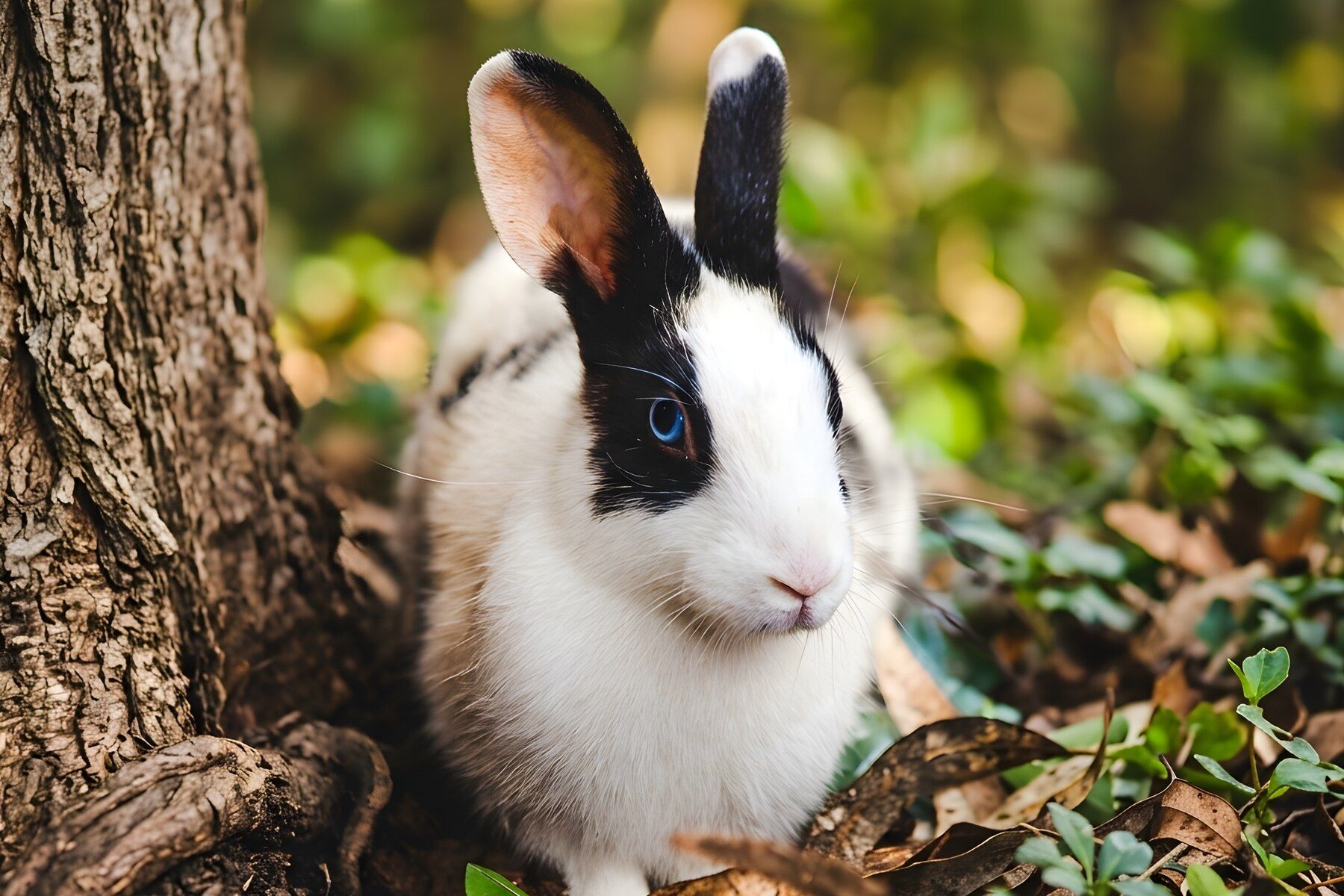
Rabbits
Effects
- Protects sensitive caecotrophic digestion from colibacillosis and enteritis. Lower mortality in young rabbits around weaning.
- Gut immunity. SANIGUT has an antibacterial and immunostimulating action, stabilises the digestive tract and reduces diarrhoea.
- Protection from pathogens. Long-chain galactomannans block the fimbriae of E. coli and Salmonella, stop the bacteria attaching to the gut wall and carry them out of the body. In the COPRI trial, the supplemented group had less Clostridium perfringens.
- A plant-based antibiotic. Tannins form a protective layer in the gut. The supplement lowers mortality, evens out the stock and can significantly reduce the use of veterinary drugs.
- Growth and yield. Higher daily gain from 35 to 56 days, fewer small unmarketable rabbits, higher carcass yield.
- Feed quality. Firmer pellets with fewer fines. Excellent taste and aroma of the feed.
| SANIGUT | SANIGUT PLUS | |
|---|---|---|
| Rabbits | 0.35-0.4 | 0.2-0.3 |
Results on the farm
- Mortality from 35 to 56 days 3.6% against 6.2% without the supplement.
- Small unmarketable rabbits 1.2% against 2.6%.
- Carcass yield 56.6% against 55.7%.
Product safety
- A plant material without antibiotics, prescriptions or a withdrawal period before slaughter.
Research
Growing rabbits without antibiotics
1,098 rabbits from weaning to slaughter. Mortality from day 35 to 56 was 3.6% against 6.2% in the control, slaughter yield 56.6% against 55.7%.
COPRI (France), 2010
Read the full study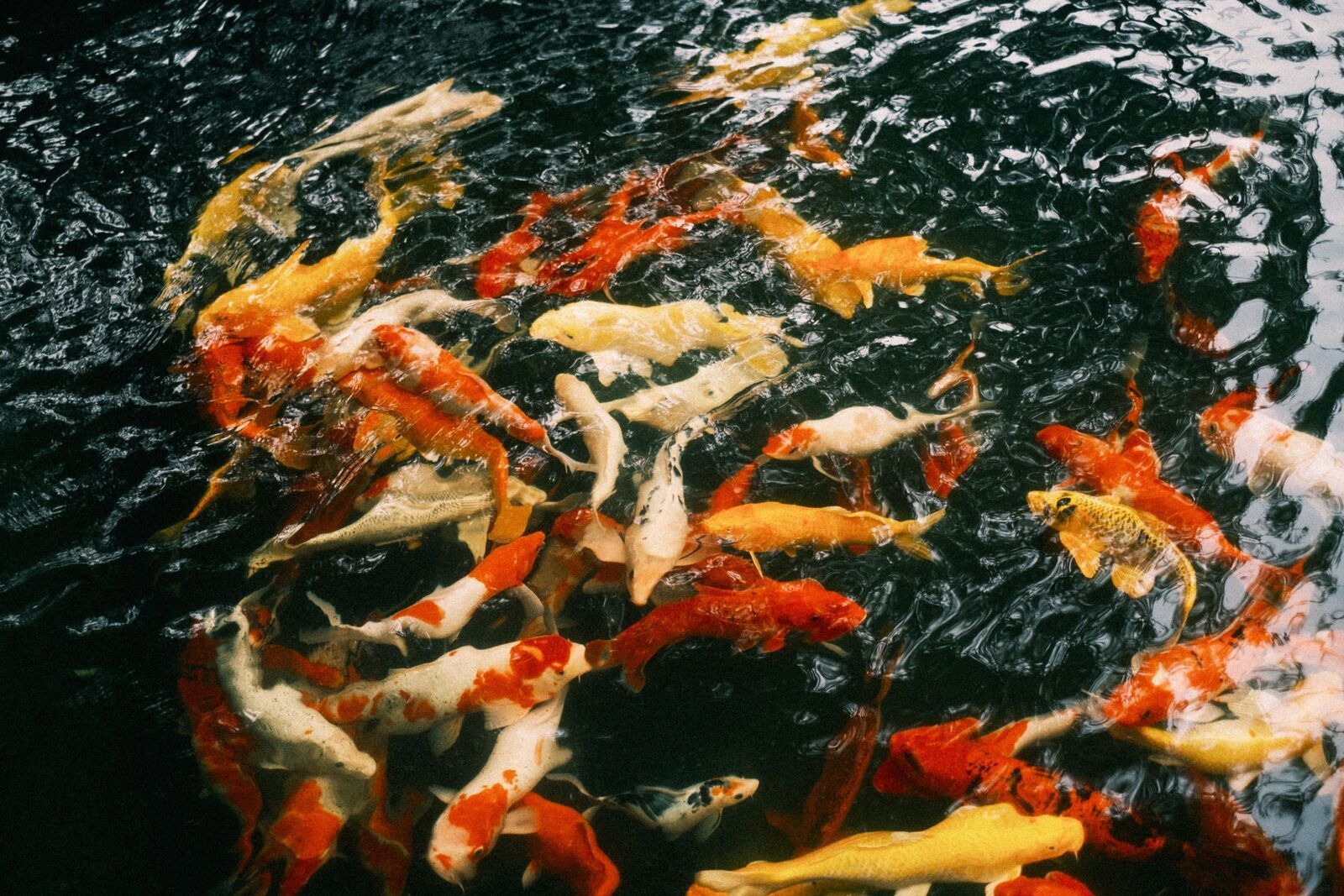
Fish (aquaculture)
Effects
- A natural immunostimulant for farmed fish (salmon, trout, sturgeon, catfish, carp). Higher resistance to stress and infection.
- A bacteriostatic barrier. Galactomannans mimic the carbohydrate receptors of the mucosa, bind the fimbriae of Aeromonas, Pseudomonas, Vibrio, Salmonella and E. coli and remove the bacteria naturally. This significantly reduces antibiotic use.
- Gut and growth. Tannins form a protective layer on the gut epithelium, ease inflammation and stimulate villus growth. The fish’s short gut gets a larger absorption area and takes up more nutrients.
- Stress protection. Water temperature swings, grading and transfers lower immunity. SANIGUT supports disease resistance in these critical periods.
- No β-glucans. Feed energy goes into muscle gain and reaching market weight.
- Durable pellets. Pellets are firmer and more elastic with fewer fines, and feed does not soak or lose nutrients in water. Withstands extrusion above 100–120 °C.
| SANIGUT | SANIGUT PLUS | |
|---|---|---|
| Fish | 0.1-0.3 | 0.2-0.3 |
1.5–2.5 kg per tonne of finished feed.
Results on the farm
- Lower feed conversion ratio (FCR).
- Fry and fingerling mortality lower by 3–5%.
- Less ammonia and phosphorus in the water, biofilter load in RAS lower by 15–20%.
Product safety
- Fish without antibiotic residues in the fillet, for the premium segment and retail chains.

Pets (pet food)
Effects
- A high-quality prebiotic (a source of soluble fibre). Healthy stools with less unpleasant odour.
- Hypoallergenic. Over 90% of MOS prebiotics on the market are made from yeast cell walls, which vets increasingly regard as potential allergens. SANIGUT is a 100% plant material. Natural polyphenols and the removal of endotoxins reduce allergic reactions.
- Gut immunity. Galactomannans block the fimbriae of Salmonella and E. coli and remove them naturally while stimulating beneficial flora. No β-glucans to overload the immune system.
- Coat. Better uptake of trace elements, iron and essential amino acids, arginine in particular. A bright, silky, glossy coat.
- Digestion. Tannins reduce diarrhoea in puppies and kittens moving to dry food, improve protein digestibility and reduce flatulence. Firm stools and less odour from litter trays.
- Heat stability. Withstands dry food extrusion (HTST, 100–130 °C) and keeps its prebiotic properties inside the kibble, with no post-extrusion coating needed.
- Kibble and palatability. The emulsifying effect allows more animal fat without fat seeping through paper bags. The sweet carob aroma makes food more appealing, even to fussy cats.
| SANIGUT | SANIGUT PLUS | |
|---|---|---|
| Dogs and cats | 0.1-0.2 | 0.05-0.5 |
Results on the farm
- A basis for holistic and super-premium lines.
- Dry ingredients are less prone to mould in storage and shelf life is longer.
- GMP+ certification (SGS) for production audits.
Send an enquiry
Tell us the species and the approximate volume of compound feed.
or email armengolukraina@gmail.com